


Mexico is now camouflaging mass migration it is supposed to be blocking
TAPACHULA, Mexico — Between August and December 2021, Mexico mired between 30,000 and 50,000 U.S.-bound immigrants behind a bureaucratic dam in this southernmost city near the Guatemala border, requiring permission slips for onward movement that purposefully took months to get. This slow-roll-them strategy, backed by two-week Mexican detentions and deportations for those caught without papers, was done in line with Biden White House pressure on Mexico City to reduce the political damage of a historic illegal mass migration tsunami ahead of this year’s mid-term elections.
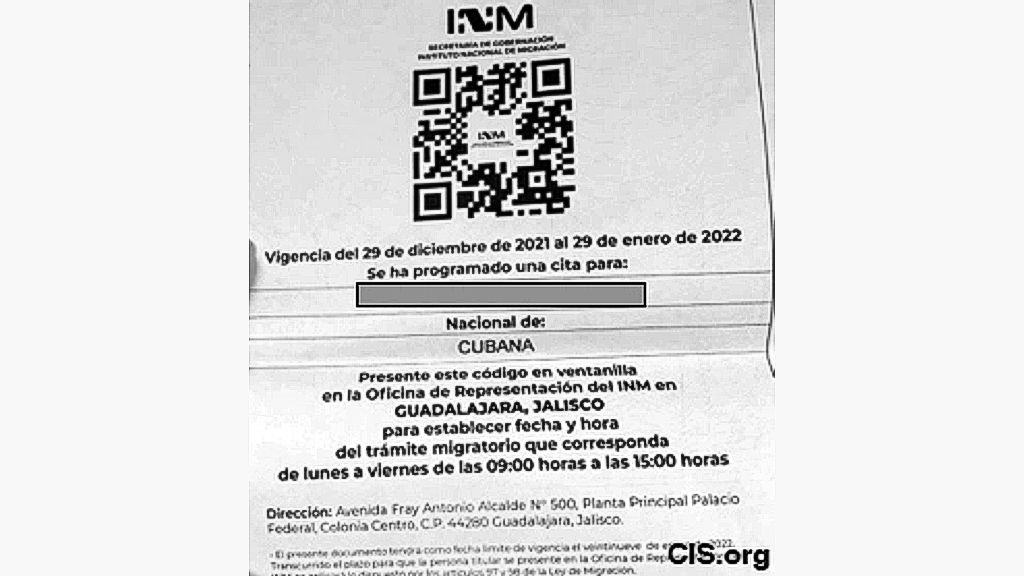
But just after Christmas 2021, following almost nonstop civil disturbances by the dammed-up and frustrated immigrants, the Mexican government suddenly solved everyone’s problem with a crafty ruse to send hundreds of thousands of migrants to the American border in the coming year without raising any alarms. According to Mexican immigration officials, journalists, and immigrant beneficiaries, the Mexican government mass-distributed an electronic “QR code visa” to thousands almost overnight, then arranged for their exodus by hundreds of buses in atomized groupings sent across 14 different Mexican states farther north. Most Americans and even Mexicans failed to notice that a huge but purposefully diffused surge of people to the American border had even happened, let alone why.
In Mexico, big clandestine movements like this in recent years have earned the colloquial term “ant operation”, which connotes an informal tactic by which immigrant smugglers move large volumes of people in small distributed parties and individuals in many single-file lines so that most evade the notice of authorities.
But now, the government of Mexico itself appears to have adopted the ant operation model to clear out the 50,000 immigrants it so openly and proudly backed up behind the Tapachula dam as a favor to the Biden administration. It sent the majority streaming toward the American border almost all at once, only diffused in fleets of buses the government arranged — ant lines all but unseen.
“The whole city [of Tapachula] was collapsing because there were so many here in town and they were blocking the roads and causing disruptions … so that’s why they were moved out,” said Clemente Miguel, director of the local newspaper Noticias de Chiapas. “There’s no infrastructure to hold them all in one area, and no other Mexican state wants them, so they’re intentionally spreading them all out.”
To get this ant operation done quickly, the Mexican government employed a cunning innovation called the “QR code visa.”
The QR code visa is part of an honor-system scheme that asks recipients to voluntarily report to a Mexican immigration office in a particular city by a specified date, ostensibly to apply for and await a more permanent Mexican residency card, copies of the visas show. With this tactic, the government ensured that no huge caravan or Del Rio migrant camp could form that would draw media attention and cause political damage to either the Mexican or American government, or open diplomatic rifts. (A first early Mexican government ant operation in September went awry for lack of sufficient diffusion and caused the Del Rio migrant camp.)
But the American people are already paying the price for insuring governments against political damage.
The Price of Subterfuge
Why would Mexico bother with all the pretense of blocking immigrants in Tapachula until they hit critical mass and the nation is forced to let them all rush forward after a few months?
“It’s double-sided politics,” Miguel, the newspaper publisher, explained. “The immigrants are being told they’re welcome and they’ll be helped. And then [President Andres Manuel Lopez] Obrador is turning around and telling Biden, ‘Don’t worry, we’ll hold them in Mexico.’ That’s the agreement they have. It’s Obrador’s mindset that he wants to be in good standing with migrants and with Biden at the same time.”
But signs abound that a powerful wave of the December QR code visa recipients was already smashing U.S. southern border defenses by mid-January, and tens of thousands are still swamping Border Patrol from Brownsville, Texas, to Yuma, Ariz. Those areas are about a two- or three-day bus ride from Tapachula.
The popular Mexican podcaster and journalist Carmen Aristegui wrote on December 31 that the Mexican government accelerated the transfers of “tens of thousands” of migrants seeking to reach the United States “to various other Mexican regions” and quoted some of them admitting they’d use their new freedom to break for the American border right away. One Cuban woman, for instance, “confessed” that she would use her QR code visa to continue to the United States.
The most credible clue about how this all will go is that QR code visas are showing up crumpled and discarded at Texas and Mexican crossing points along the Rio Grande riverbanks, the newest addition to borderland debris fields.
What can knowing about this do for Americans?
By Todd Bensman