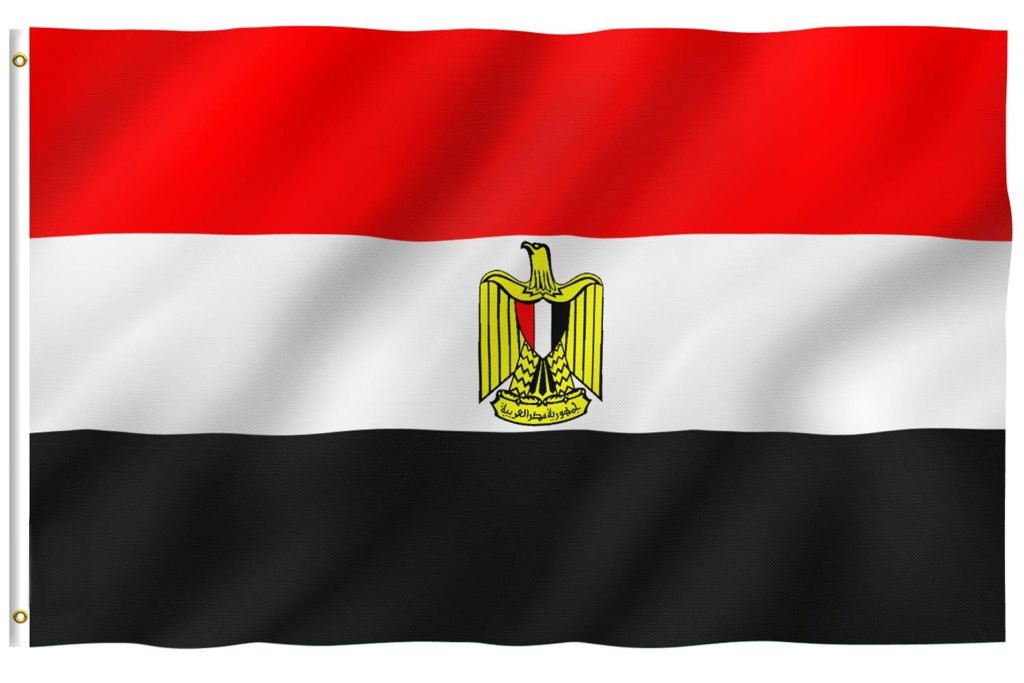

The New Egyptian Constitution: An Initial Assessment of its Merits and Flaws

5Mind. The Meme Platform

Egypt cannot be described as a religious state, given that political power remains firmly in the hands of civilians, but religion will now play a real role in inspiring how the state is to function. And military trials of civilians have been elevated to a constitutional principle.

Following the results of the referendum, in which 63.8% of voters appear to have approved the text, the new Egyptian constitution is now the law of the land.  The turnout was far lower than anyone expected, with just over 32.9% of the population making their way to the polls, which means that the constitution has been approved by a mere 21% of eligible voters, clearly not a resounding victory for its proponents.

The poor showing will have a number of consequences, including the prospect that the new constitution’s popular legitimacy may be challenged for some time to come, which in turn will detract from the effort to resolve many of the more pressing problems that Egypt is facing today.

The debate surrounding the new constitution has been acrimonious to say the least.  Many of the constitution’s most ardent critics have been scouring the text for evidence that the country’s Islamist movements are preparing to create a morality police or that the legal age of marriage is about to be lowered to 9.  Many of these accusations are either baseless or merely leftover provisions from the 1971 constitution and were never applied in any meaningful sense, which will likely to continue being the case under the new constitution.  The reality is that, when measured against Egyptian constitutional tradition, the new text brings a number of improvements to the protection of certain rights and to the system of government and is not the catastrophe that many have been so determined to identify.

However, if the measure is changed, there are perfectly valid reasons to be opposed to the new constitution.  For example, considering recent developments internationally in the field of constitutional law, particularly in many African and Latin American countries, or considering even the aspirations that were expressed through the Egyptian revolution, the text leaves the reader disappointed.

Apart from the fact that much of the drafting is vague, a number of important rights are also lacking, which has driven many activists to ardently oppose the text.  It also does not present a convincing vision in many areas, including decentralization, the role of independent agencies and civil/military relations.

The purpose of this contribution is to discuss some of the new constitution’s most salient features, including the system of government, the role of religion, the protection that the text affords to certain rights, civil/military relations and decentralization.  Firstly however, the drafting process itself is deserving of some discussion considering the impact that it has had on the manner in which the text is being perceived in the country.

Read Entire Article

Contact Your Elected Officials
The Thinking Conservative
The Thinking Conservativehttps://www.thethinkingconservative.com/
The goal of THE THINKING CONSERVATIVE is to help us educate ourselves on conservative topics of importance to our freedom and our pursuit of happiness. We do this by sharing conservative opinions on all kinds of subjects, from all types of people, and all kinds of media, in a way that will challenge our perceptions and help us to make educated choices.

New Book Warns Failure of Congress to Defend Separation of Powers Fuels Rise of Authoritarianism

The Book Congress: An Irrelevant Institution or Guardian of the Republic argues that Congress's decline threatens the Constitution’s separation of powers.

What Happens to State Sovereignty When Federal Money Stops?

What happens to state sovereignty when the federal government can no longer afford to subsidize 36% of state budgets, on average?

Japanese Nationalists vs. the Replacement Migration Machine

Japan has begun to falter in its resolute refusal to embrace the mass migration regime that international governments and NGOs had demanded it do.

CIA is On Tucker Carlson for Talking to Iran

“They read my text messages” and the Central Intelligence Agency is trying to “frame me as a foreign agent,” alleged Tucker Carlson.

The EU Poses A Much More Credible Threat To Russia Than The Inverse

Unlike back in June 1941, Russia is now a nuclear superpower, and that might be the only factor that deters the EU from invading Russia.

Virginia Democrats Pass Sweeping Agenda in First Trifecta Session but Adjourn Without a Budget

Virginia Democrats ended their first trifecta session, passing bills raising the minimum wage, banning assault firearms, limiting ICE cooperation, and expanding paid leave.

Judge Blocks RFK Jr.’s Appointees to Vaccine Panel

A federal judge in Massachusetts ruled that Health Sec. Robert F. Kennedy Jr. illegally appointed 13 new members to an influential vaccine panel.

US Coast Guard Intercepts Semi-Submersible in Pacific Carrying 17,600 Pounds of Cocaine

17,600 pounds of cocaine were seized from a smuggling vessel—enough to produce more than 6 million potentially lethal doses, officials said.

MAHA Movement Emphasizes Shift Away From Glyphosate to Regenerative Farming, Eating Real Food

Weeks after Trump’s glyphosate executive order, many MAHA proponents believe that awareness about chemicals and regenerative farming is on the rise.

Trump Puts China Visit on Hold Amid Iran War

As the Iran war continues, President Donald Trump said he would delay his long-awaited trip to Beijing, originally set for the end of this month.

White House Outlines Vision for Underground Visitor Screening Facility

The 33,000-square-foot facility proposed beneath Sherman Park would process visitors entering the White House and could open by mid-2028 if approved.

Trump Signs Order Assigning Vance to Head Anti-Fraud Task Force

President Donald Trump signed an executive order on March 16, officially creating an anti-fraud task force headed by Vice President JD Vance.

US Opens New Trade Probes Targeting 60 Countries Over Alleged Forced Labor Practices

The U.S. has launched trade probes into 60 economies to investigate whether their trade practices allow imports produced with forced labor.
spot_img

Related Articles

Popular Categories

MAGA Business Central